Quick Answer: Multi car accident liability in Texas depends on which drivers’ actions contributed to the collision and resulting injuries. One driver may be primarily responsible, or several drivers may share fault. Texas uses proportionate-responsibility rules to assign percentages of responsibility and determine whether an injured person can recover compensation.
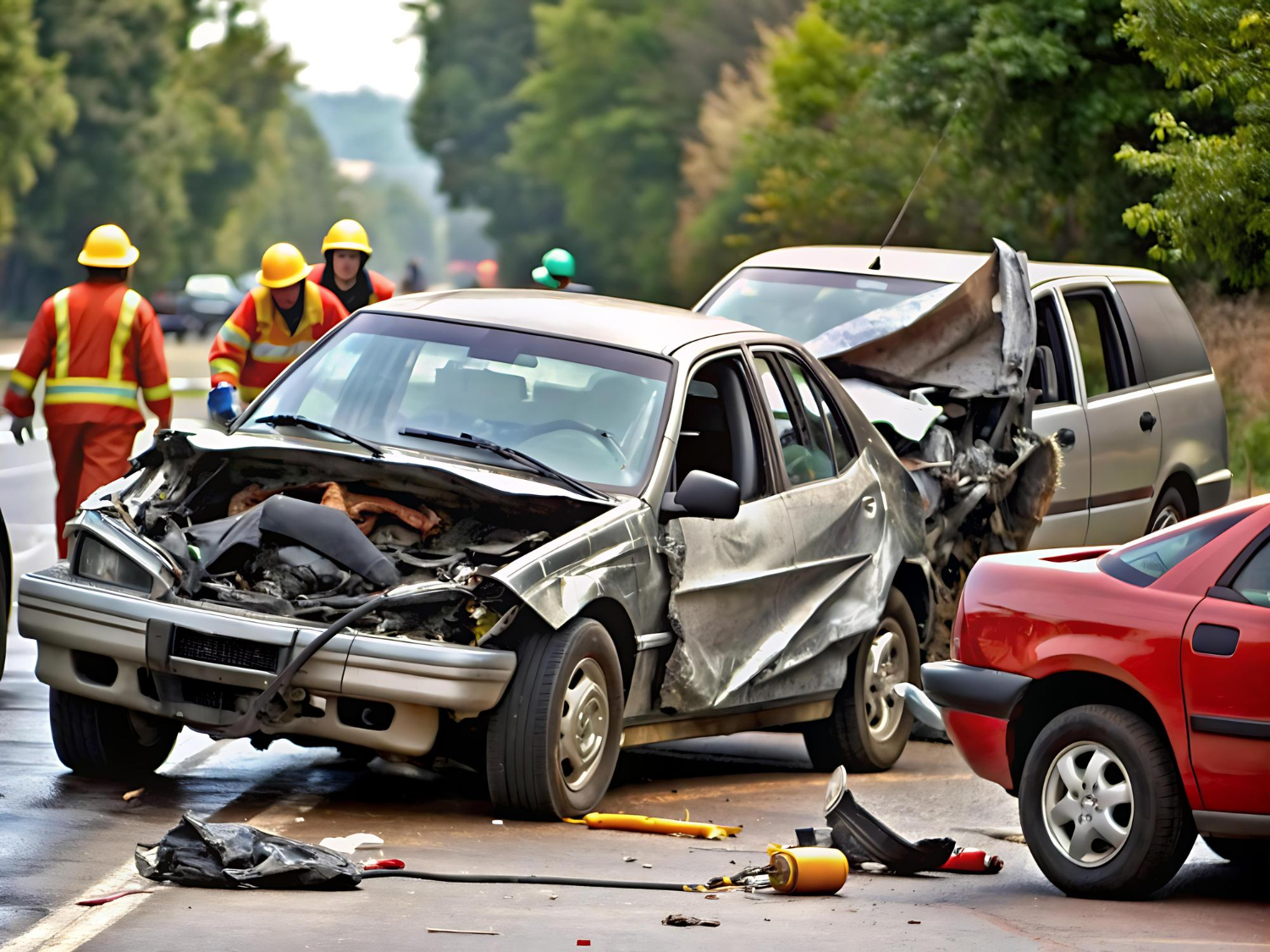
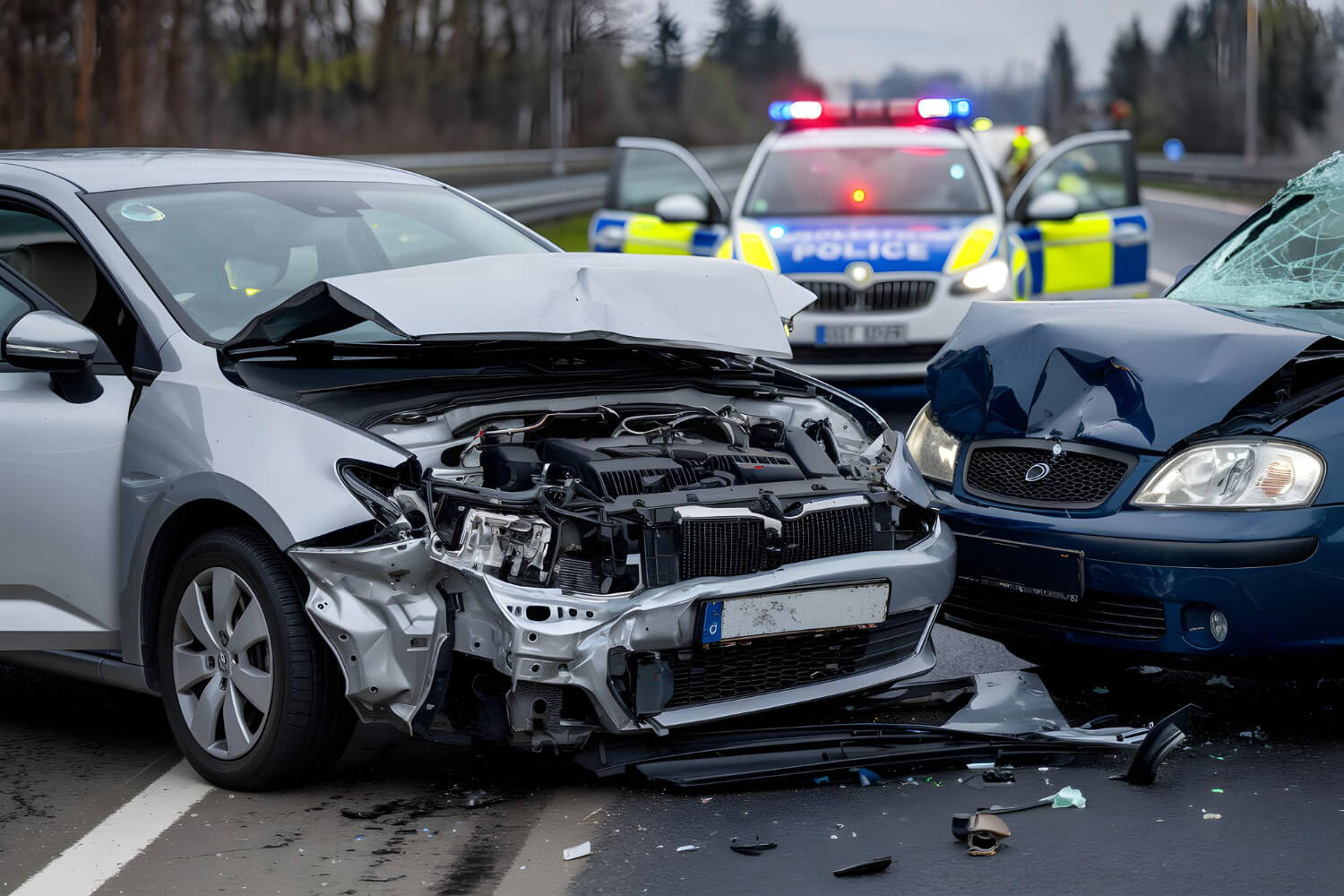
A collision involving three or more vehicles can make determining fault difficult. One driver may trigger the first impact, while another causes a later collision that produces additional injuries. In Texas, multi car accident liability depends on the conduct of each driver and the evidence connecting that conduct to the harm. The driver who caused the first impact is not automatically responsible for every injury. This article explains how Texas assigns fault, how comparative negligence affects recovery, and what evidence can help establish responsibility.
How Is Liability Determined in a Texas Multi-Car Accident?
Liability generally depends on whether a driver acted negligently and whether that conduct caused or contributed to the collision and resulting harm. In a multi-vehicle crash, investigators and insurers may need to evaluate several drivers separately.
Negligence generally involves a duty of reasonable care, a breach of that duty, and a causal connection to the injuries or losses claimed. A driver can contribute to a collision by speeding, following too closely, changing lanes unsafely, or failing to respond reasonably to traffic conditions.
Texas traffic laws provide important standards:
- Following distance: Transportation Code §545.062 requires drivers to maintain an assured clear distance that allows them to stop safely under existing conditions.
- Safe speed: Section 545.351 requires drivers to travel at a speed that is reasonable and prudent for the circumstances.
- Lane changes: Section 545.060 generally requires drivers to remain within a single lane when practical and change lanes only when safe.
For example, imagine a driver follows too closely and strikes a vehicle that has slowed for traffic. The impact pushes that vehicle into another car. The first driver may bear substantial responsibility, but the circumstances surrounding each impact still matter.
Texas Civil Practice and Remedies Code §33.003 directs the factfinder to assign percentages of responsibility when sufficient evidence supports doing so. The analysis considers each person’s contribution to the harm, not simply the number of vehicles involved.
Who Is at Fault in a Chain Reaction Accident?
A chain reaction accident does not automatically make the last driver in line responsible for every collision. Fault depends on the sequence of impacts, the drivers’ actions, and whether each action contributed to the injuries being claimed.
A rear driver who fails to maintain a safe following distance may cause the initial impact. However, other drivers may also contribute through unsafe speed, sudden lane changes, or other negligent conduct.
Consider a three-vehicle example:
- Driver A follows too closely and strikes Driver B after traffic slows.
- Driver B is pushed forward and collides with Driver C.
- Driver C may have been stopped safely, or may have contributed to the incident through separate conduct.
Driver A may be responsible for starting the chain of impacts. Driver B is not automatically liable simply because their vehicle struck Driver C. Investigators must determine whether Driver B had a separate opportunity to avoid the collision and whether any independent negligence contributed.
The distinction between successive impacts and one continuous chain reaction can matter. A vehicle may receive multiple impacts, and different impacts may cause different injuries.
Evidence may show that:
- One driver caused the initial crash through unsafe driving.
- Another driver contributed by following too closely or changing lanes unsafely.
- A later collision involved separate negligence that contributed to additional harm.
The legal question is which conduct caused or contributed to the specific damages claimed. The physical order of the vehicles alone does not answer that question.
How Does Comparative Negligence Texas Law Affect a Multi-Vehicle Claim?
Texas follows a modified comparative-responsibility system, often called proportionate responsibility. An injured person may recover damages if their responsibility does not exceed 50%, but the court reduces the recovery by that person’s percentage of responsibility.
Civil Practice and Remedies Code §§33.001–33.012 establish the central rules:
- 50% or less responsible: An injured claimant may recover, subject to a reduction for their percentage of responsibility.
- More than 50% responsible: The claimant cannot recover damages under §33.001.
- Multiple responsible parties: The factfinder may assign separate percentages to the claimant, defendants, settling parties, and properly designated responsible third parties.
- Reduced damages: Section 33.012 requires the court to reduce the claimant’s damages by the claimant’s percentage of responsibility.
For example, assume a claimant has $100,000 in legally recoverable damages and receives a 20% responsibility finding. The damages are reduced by $20,000, leaving $80,000 before any other applicable settlement adjustments.
The law also addresses how much each defendant must pay. Under §33.013, a defendant generally pays according to their percentage of responsibility. An exception may apply when a defendant is assigned more than 50% responsibility or meets the statute’s specific-intent exception.
These rules mean that comparative negligence can affect both the injured person’s recovery and the amount each responsible party may owe. The percentages must be supported by evidence.
What Evidence Helps Establish Multi-Vehicle Crash Liability?
Evidence helps reconstruct the collision, identify the sequence of impacts, and determine which actions contributed to the injuries. In a multi-car accident, relying on one driver’s account may leave important questions unanswered.
Useful evidence may include:
- Photographs and video: Vehicle damage, road conditions, traffic signals, skid marks, and dashcam footage may help establish how the collision unfolded.
- Witness statements: Independent witnesses may provide information about vehicle positions, speed, traffic conditions, and the sequence of impacts.
- Police crash reports: Reports may document observations, statements, diagrams, and preliminary findings, although they do not automatically decide civil liability.
- Vehicle data: Event data recorder information, when available and properly obtained, may provide details about vehicle speed, braking, and other pre-impact activity.
- Medical records: Treatment records can help connect claimed injuries to the collision and document the extent of the harm.
- Expert analysis: Accident reconstruction professionals may evaluate physical evidence, vehicle damage, and available electronic data.
Preserving evidence matters because vehicles may be repaired, video footage may be overwritten, and physical conditions can change. In some cases, a vehicle inspection or preservation request may be appropriate before repairs or disposal.
The evidence should also distinguish damage from separate impacts. A person injured during the first collision may have a different claim from someone whose injuries resulted from a later impact. That distinction can affect how responsibility is evaluated.
How Do Insurance Claims Work After a Multi-Car Accident in Texas?
Insurance claims can become more complicated when several drivers and policies are involved. Each insurer may investigate its insured driver’s conduct and evaluate whether that driver contributed to the accident.
Texas generally requires drivers to carry minimum liability insurance of 30/60/25: $30,000 for bodily injury per person, $60,000 per accident, and $25,000 for property damage. These minimum limits do not necessarily cover all losses in a serious multi-vehicle collision.
Depending on the circumstances, potential sources of coverage may include:
Coverage type | What it may cover |
At-fault driver’s liability | Covered injuries or property damage caused by that insured driver, subject to policy limits |
Uninsured/underinsured motorist coverage | Certain losses when an at-fault driver has no insurance or insufficient coverage, subject to policy terms |
Personal injury protection (PIP) | Certain medical expenses and lost income, regardless of fault, subject to policy limits |
Collision coverage | Damage to the insured vehicle, subject to the deductible and policy terms |
Multiple insurers may dispute which driver caused the collision or how much responsibility belongs to each person. An insurer’s initial fault assessment is not necessarily the final determination of civil liability.
Texas generally provides a two-year limitations period for personal injury and property damage lawsuits under Civil Practice and Remedies Code §16.003, subject to applicable exceptions. Waiting too long can affect the ability to bring a claim.
Pro Tip: Keep photographs, repair estimates, medical records, and all available claim correspondence together. If multiple impacts occurred, write down the sequence as you remember it while details remain clear. Separate impacts may matter when evaluating which conduct caused particular injuries.
Frequently Asked Questions About Multi-Car Accident Liability in Texas
Is the last car always at fault in a chain reaction accident in Texas?
No. The last vehicle may have contributed by following too closely, but the first driver or other motorists may also share responsibility. The evidence and sequence of impacts determine how fault is evaluated.
Can more than one driver be liable in a Texas multi-vehicle crash?
Yes. Texas proportionate-responsibility law allows responsibility to be assigned among multiple parties when evidence supports their contribution to the harm. Each person’s percentage can affect the amount recoverable.
What happens if I am partly at fault in a multi-car accident in Texas?
You may still recover damages if your responsibility is 50% or less. Your recovery is reduced by your percentage of responsibility; if you are more than 50% responsible, §33.001 bars recovery under the statute.
Understanding Multi-Car Accident Liability in Texas
Determining responsibility after a multi-car collision requires more than identifying which vehicle struck another first or last.
- Multiple drivers may share responsibility when their conduct contributes to the crash.
- Texas comparative negligence rules can reduce or bar an injured person’s recovery.
- Reliable evidence helps establish the sequence of impacts and connect negligent conduct to specific injuries.
If you have questions about a multi-vehicle collision, contact Gordon Law PLLC at (512) 678-9333 or visit 600 W. 28th Street, Suite #106A, Austin, Texas 78705 to discuss your circumstances.
Legal Disclaimer: This article provides general information about Texas law and is not legal advice. It does not create an attorney-client relationship. Liability and potential recovery depend on the facts, available evidence, insurance coverage, and applicable law. Consult a licensed Texas attorney about your specific circumstances.