
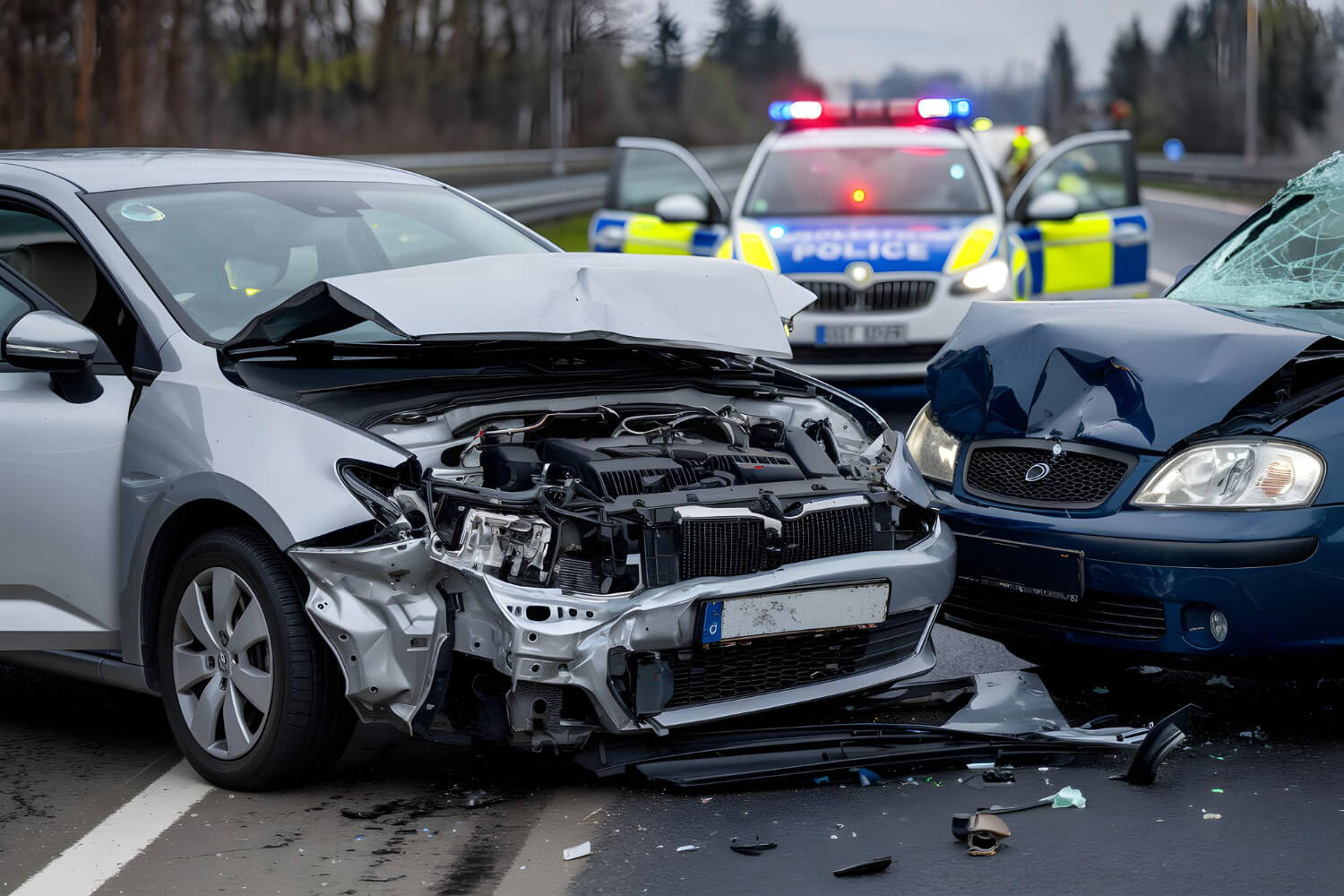
If you were injured in a car accident in Austin, Gordon Law PLLC can help you work out who may be responsible, what insurance may cover, and which records can support your claim. We review crashes involving local drivers, passengers, and people visiting Austin. You can start with the date, the closest intersection or freeway exit, and a brief account of what happened. Bring any letters or texts from an insurance adjuster, especially if you’ve received a settlement offer.
Our Austin office is at 600 W. 28th Street, Suite 106A, Austin, TX 78705. Call 512-678-9333 for a free consultation.
How Do You Get a Crash Report in Austin?
If an officer investigated your crash and filed a report, eligible people can request a copy through the Texas Department of Transportation’s crash report system. Start with the crash date, location, responding agency, and report number if you have it. Check the paperwork the officer gave you or contact the responding agency if the number is missing. This can be especially helpful on an Austin-area highway where you may remember the interchange but be unsure which agency responded. See TxDOT’s crash reports and records page.
Use the report to identify the people and vehicles involved, confirm the recorded location, and look for witness names or statements. If a detail looks wrong, write down what you believe is inaccurate and save any original photos, messages, or footage that support your account. An Austin car accident lawyer can compare the report with other evidence. If an Austin Police Department officer responded and body camera footage may be relevant, APD explains how to request it through open records. Availability and release depend on the circumstances. See the Austin Police Department’s body camera program.
What Evidence Helps After a Crash on I-35, MoPac, or an Austin City Street?
An address may be enough to identify a downtown intersection. Along I-35 or MoPac, a direction of travel, exit number, and whether you were on the main lanes, a ramp, or a frontage road can be more useful. For example, if a driver merged into you near an exit, the relevant evidence may show where the lane markers changed and the points of impact on each car. In a downtown crash near a parking garage, the entrance, exit, or building across the street may help identify a camera that faced the scene.
If you can document the crash safely, take wider photos that show where the vehicles were in relation to signs and lanes, in addition to close-ups of the damage. Write down the names of nearby businesses and preserve any original dashcam video, including the moments before and after impact. If you remember a possible camera after leaving the scene, note its location and the approximate time. A lawyer can assess whether to request that footage or other records before they are routinely overwritten.
Austin Car Accident Cases and Insurance Issues We Review
Gordon Law PLLC reviews collisions such as rear-end crashes in slow traffic, lane-change crashes near highway interchanges, and left-turn collisions at Austin intersections. The first task is to understand what each driver did and what the available records can show. In a pileup, for instance, the timing of each impact can help explain whether your car hit the vehicle ahead before or after it was struck from behind. That distinction can affect who may be responsible for your injuries.
We can also review crashes involving drivers who leave the scene, drivers with insufficient insurance, and vehicles being used for work. For a delivery vehicle, identifying the driver, vehicle owner, and purpose of the trip can help clarify which records or insurance policies to examine. In a hit-and-run, report the collision to police promptly and check your policy for uninsured motorist coverage and reporting requirements. Coverage depends on the facts and policy terms. See the Texas Department of Insurance auto insurance guide.
Can You Recover Compensation if the Insurer Says You Share Fault?
Yes, potentially. Texas uses a rule called proportionate responsibility. For covered claims, a person whose share of responsibility is 50% or less may still recover if they prove their claim. Their share of fault reduces the recoverable damages. A finding of more than 50% bars recovery under that rule. An adjuster’s initial assessment can be challenged with evidence, such as a witness who saw which light was green or clear footage showing the sequence before impact. See Texas Civil Practice and Remedies Code Chapter 33.
You can also use your records to show how the crash affected you after you left the scene. Depending on the facts, a claim may include medical expenses, lost wages, reduced earning capacity, physical pain, and property damage. For example, if you returned to work in a limited role, keep the written restrictions, schedules before and after your injury, and pay records showing how your hours changed. Our Car Accidents service page provides a broader explanation of Texas injury claims and the losses they may cover.
How Long Do You Have to Act After an Austin Car Crash?
Most Texas car accident injury lawsuits must be filed within two years after the claim accrues, usually the date of the crash. The deadline can vary with the facts. If a City of Austin vehicle or another city operation may have contributed to your injury, ask a lawyer about notice promptly. The city’s claims instructions say to send a notice letter within 45 days of the incident. A notice letter to the city and a lawsuit filing serve different purposes, and which requirements apply depends on the claim. See Texas Civil Practice and Remedies Code Chapter 16 and the City of Austin’s instructions for filing a claim.
There may be other dates to track while your claim is open. Your insurer may ask you to report the crash or provide documents within a time set by the policy. An adjuster may put an expiration date on an offer. Keep those dates along with the crash date and any notices you’ve sent. If you are still in treatment or waiting for an insurer to respond, a lawyer can check what needs to happen while those other steps are underway.
What Happens When You Contact Gordon Law PLLC?
At the consultation, tell us where the collision happened, who was involved, and how your injuries have affected your work and daily life. Someone who has just left the hospital may need help figuring out which insurer to contact. Someone who has already received an offer may need help reading the release and seeing which bills the offer would cover. We can also discuss whether additional records could clarify responsibility or explain a gap between the date of the crash and the start of treatment.
If you hire us, Gordon Law PLLC can investigate the crash, review insurance coverage, document your losses, negotiate with insurers, and discuss litigation where appropriate. The initial consultation is free. For cases accepted on a contingency fee, attorney fees depend on a recovery. Ask how case expenses are handled and how the fee is calculated under the written agreement before you decide whether to hire the firm.
For your consultation, gather whatever you already have:
- Crash details including the nearest intersection or exit, the responding agency, and the report number.
- Photos and recordings including original footage, pictures showing the position of the vehicles, and witness contact information.
- Medical and work records including bills, discharge instructions, work restrictions, and dates of missed shifts.
- Insurance paperwork including claim numbers, written coverage decisions, offers, checks, and proposed releases.
Austin Car Accident Lawyer FAQs
Can I speak with an Austin car accident lawyer if I live outside Texas?
Yes. If the crash happened while you were visiting Austin, you can discuss it with a Texas attorney after returning home. Keep any records from treatment in Austin and from follow-up care near home. Together, they can help show how your symptoms and treatment changed from the date of the crash onward.
Can I make a claim after a crash in an Austin parking garage?
Yes, if the facts support a claim. Save the garage address, floor, and ramp or lane where the crash happened. A parking ticket, gate receipt, or witness account may help establish timing. Video may also exist, depending on where the cameras were pointed and how long the operator keeps recordings.
What if the crash report does not list a witness who saw what happened?
Keep any contact information you have for that witness. Write down where they were and what they told you, using their exact words where you remember them. A lawyer can assess how their account fits with the report and whether a statement would help resolve a dispute.
Can I bring a claim if I was in a rideshare?
Possibly. The responsible driver and applicable coverage depend on the circumstances, including whether the rideshare driver was carrying a passenger or at another stage of a trip. Save your trip receipt, pickup and drop-off information, and any incident messages from the app.
What if the other driver was ticketed?
A ticket can help identify a driving violation the officer believed occurred. Responsibility in a civil claim depends on the evidence and how the conduct contributed to the crash. Save the report and related records so a lawyer can evaluate the whole sequence.
Can I talk to a lawyer after the insurer denies my claim?
Yes. Bring the denial letter and anything you sent the insurer. The reason matters. A denial based on disputed responsibility calls for a different review than a denial based on policy coverage or a request for missing records.
Where is Gordon Law PLLC’s Austin office?
Our Austin office is at 600 W. 28th Street, Suite 106A, Austin, TX 78705. Call 512-678-9333 to request your free consultation and confirm your appointment details.
Request a Free Austin Car Accident Consultation
If you have a crash report, an insurer’s offer, or questions about how much time you have to act, bring those to the conversation. Gordon Law PLLC can review what you have and explain your next options. Call 512-678-9333 or request a free consultation online.
This page provides general information about Texas law. Reading it does not create an attorney-client relationship. An attorney can advise you about the facts of your case.
