
When a car accident in Georgetown leaves you with injuries, missed shifts, and calls from insurance adjusters, it can be hard to tell what needs your attention first. Gordon Law PLLC can review the circumstances of your crash, explain which insurance may apply, and help you decide how to pursue a claim. Whether you were hit on an I-35 frontage road or injured in a car turning across traffic on University Avenue, start with the date, location, and what happened in the moments before impact.
Request a free consultation. Call 512-678-9333.
What to Do After a Car Accident in Georgetown
Call 911 if anyone is injured or the collision creates an immediate hazard. Follow the dispatcher’s instructions. When it’s safe, exchange contact and insurance information, note the other vehicle’s plate number, and ask witnesses how you can reach them. Seek medical care for your injuries and tell the provider when the crash happened and what symptoms you’ve noticed. Notify your insurer promptly, and keep the claim number and any requests the adjuster sends. The Texas Department of Insurance auto insurance guide explains what information insurers commonly ask for after a crash.
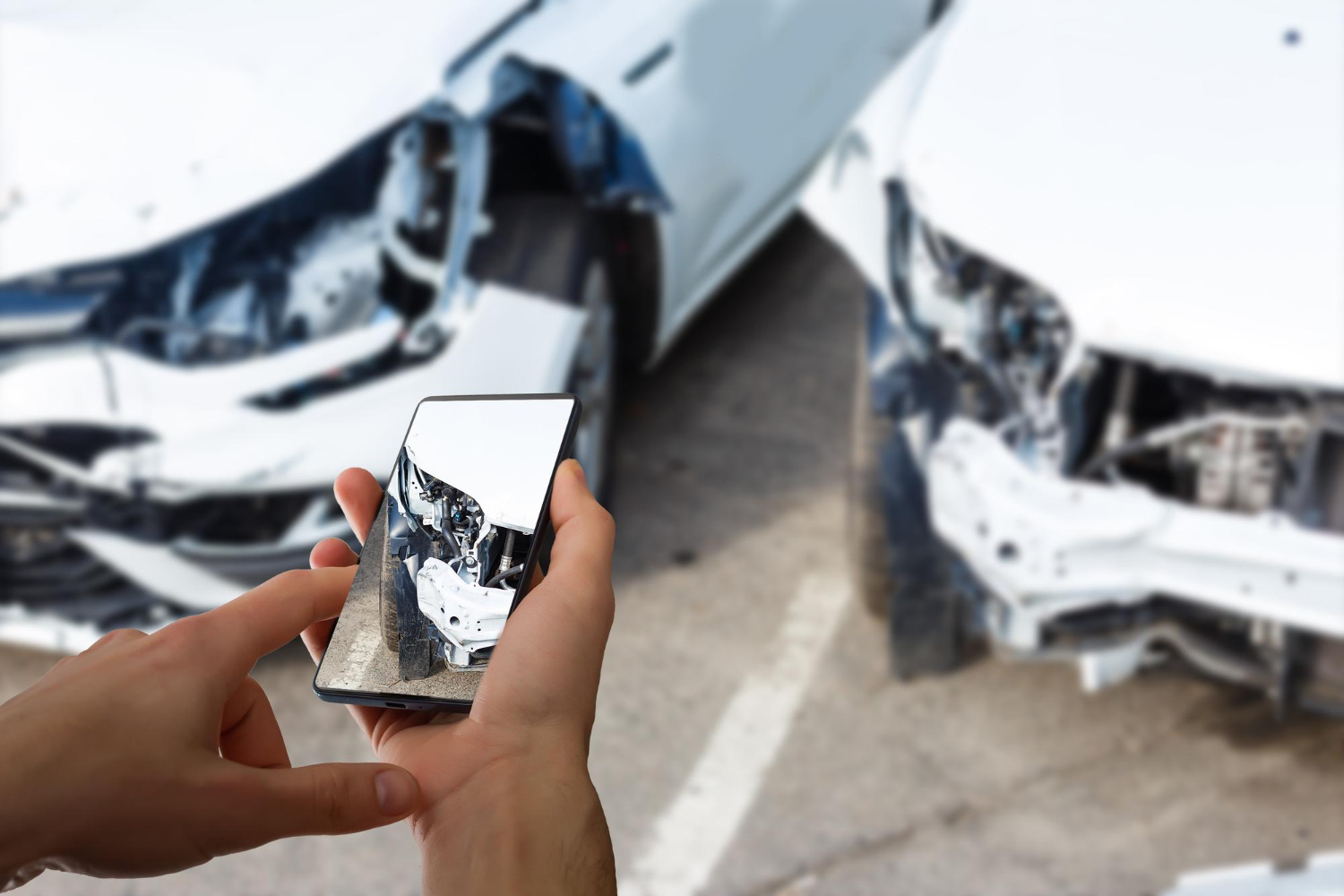
Write down exactly where the vehicles were. On I-35 near the SH 130 connection, the direction of travel, ramp, or frontage road can help someone locate the collision. At a Georgetown intersection, note which street each driver was on and whether either vehicle was turning. If you can take photos safely, show the whole scene as well as the damage. If you’ve already left, save any records you have, including a tow receipt or the paperwork an officer provided.
Where to Request a Georgetown Police Crash Report
If an officer investigated the collision and filed a Texas Peace Officer’s Crash Report, eligible parties can request a copy through the Texas Department of Transportation’s Crash Records Information System, known as CRIS. Georgetown also lists an in-person option through its Police Department Records Division at 3500 D B Wood Road, Georgetown, TX 78628. Have the crash date, location, responding agency, and case number handy. See the City of Georgetown’s crash report instructions and TxDOT’s crash records page.
If you can’t find a report, check whether Georgetown Police, a sheriff’s deputy, or a state trooper responded. Ask the responding agency whether it filed a report and what information you need to locate it. Once you have a copy, check the location, vehicle descriptions, and any witness details. If a diagram places you in a different lane from the one you remember, preserve the original video or photographs that show your route. A Georgetown car accident lawyer can compare the report with those records and assess what further evidence would help.
How to Establish Fault in an I-35, SH 130, or Georgetown Intersection Crash
Start with the driving decision that led to the impact. In a merge collision near SH 130, the length of the merge area and the movement of both vehicles can help explain how their paths crossed. In a left-turn crash on University Avenue, a witness who can describe both drivers’ directions of travel might help resolve a right-of-way dispute. A photo of the damaged fender shows where the impact occurred on the car. A recording of the preceding seconds may help explain how the cars got there.
Texas uses a shared-fault rule called proportionate responsibility. In a claim covered by that rule, your share of responsibility reduces the damages you can recover. You may recover if your share is 50% or less and you otherwise establish your claim. A finding above 50% bars recovery. If an insurer assigns you part of the blame, ask which facts it relied on and note where you disagree. Give your lawyer any photos, videos, and witness details that support your account. See Texas Civil Practice and Remedies Code §§ 33.001 and 33.012.
What Can a Georgetown Car Accident Claim Cover?
Depending on the facts, an injury claim may include medical expenses, lost income, reduced earning capacity, and physical pain. A separate part of the claim may address damage to your vehicle. Keep a record of treatment dates, bills, missed shifts, and changes to your duties. If you can work only shorter shifts after returning, for example, your schedules, pay records, and medical restrictions can help explain why your earnings changed. If the crash affected your daily activities, note specific tasks you needed help with and for how long.
The other driver’s liability insurance may pay covered losses up to applicable limits. Your policy may offer additional options, including personal injury protection for eligible medical expenses or lost income, or uninsured and underinsured motorist coverage if the other driver lacked sufficient insurance and your policy applies. Review any proposed settlement release before you sign. It may affect your ability to bring a claim for additional treatment, even if the conversation with the insurer started with vehicle repairs. See our Car Accidents service page for an overview of Texas claims.
What Deadline Applies to a Georgetown Car Accident Lawsuit?
Texas generally allows two years to file a personal injury lawsuit, measured from when the claim accrues. For most car crashes, that is the date of the collision. Exceptions can apply. Keep the date somewhere you can find it quickly, especially if you’re still exchanging documents with an adjuster or waiting for a decision about coverage. Insurance negotiations generally do not pause the lawsuit deadline. See Texas Civil Practice and Remedies Code § 16.003.
If a city vehicle or government agency may have caused the crash, ask a lawyer to check notice requirements promptly. A claim against a government entity can require notice earlier than the deadline for filing a lawsuit. Which rules apply can depend on the entity and the facts. Save the agency name, vehicle number if known, and any correspondence you’ve already sent or received. The Texas Tort Claims Act notice provision explains the state rule and its relationship to local notice provisions.
How Gordon Law PLLC Can Help With Your Georgetown Claim
At a free consultation, we’ll ask you to walk us through the crash and explain what has happened since. If you’re still looking for a crash report, we can discuss which agency may have it. If the insurer disputes fault, we can look at where its account differs from yours and which records could help resolve the discrepancy. If the insurer has made an offer, we can review the proposed release and discuss what it would mean for any remaining claims.
If you hire us, Gordon Law PLLC can investigate the collision, examine available coverage, document your losses, and communicate with insurers. We can also discuss what filing a lawsuit would involve if negotiations stall. For cases accepted on a contingency-fee basis, attorney fees depend on a recovery. Ask how case expenses are handled under the written agreement. Call ahead to confirm your appointment options. The firm lists an office at 600 W. 28th Street, Suite 106A, Austin, TX 78705.
Bring what you already have:
- Crash information including the date, nearest intersection, report number, and responding agency.
- Evidence including original photos or recordings, witness contact details, and towing or repair records.
- Medical and work documents including bills, missed shifts, and any restrictions from your care provider.
- Insurance documents including claim numbers, coverage correspondence, offers, and proposed releases.
Georgetown Car Accident FAQs
Should I report a hit-and-run if I did not get the other driver’s plate number?
Yes. Report it promptly to law enforcement and notify your insurer. Share the time, location, direction the driver went, and whatever details you remember about the vehicle. Ask your insurer what your policy requires for a hit-and-run claim.
What if my car was towed before I could take pictures?
Save the towing paperwork and ask whether the tow yard, repair shop, or adjuster photographed the car. Write down where the car was taken and who has it now. A lawyer can assess whether an inspection would help before repairs or disposal.
Can I talk to a lawyer if the other driver was ticketed?
Yes. A ticket may identify the violation the officer believed occurred. The civil claim also depends on whether the evidence connects that conduct to the collision and your injuries. Bring the crash report and any available footage or witness information.
Can I still make a claim if I was working when the crash happened?
Possibly. A work-related collision can raise questions about both a claim against another driver and benefits through your employer, depending on who caused the crash and which coverage is in place. Save your shift details and any incident paperwork from work.
What if the other driver says I stopped suddenly?
Save any video that shows traffic ahead and what happened just before impact. For example, it may show braking for a signal or a line of stopped cars. Tell your lawyer whether the vehicles behind you made one impact or several.
Can I get my car repaired while the injury claim is open?
An injury claim and vehicle repairs can move on separate timelines. Before repairs begin, keep photos of the damage and ask the insurer about its inspection requirements. Review any settlement paperwork carefully if it addresses both damage to the car and injuries.
What does the first consultation cost?
The initial consultation is free. Call Gordon Law PLLC at 512-678-9333 to discuss your Georgetown crash and confirm appointment options. Ask about the fee agreement and how case expenses would be handled if you hire the firm.
Speak With a Georgetown Car Accident Lawyer
If you have questions about a crash report, an insurance decision, or an offer you’re being asked to sign, bring them to Gordon Law PLLC. Call 512-678-9333 or request a free consultation online.
This page provides general information about Texas law. Reading it does not create an attorney-client relationship. An attorney can advise you about the facts of your case.
