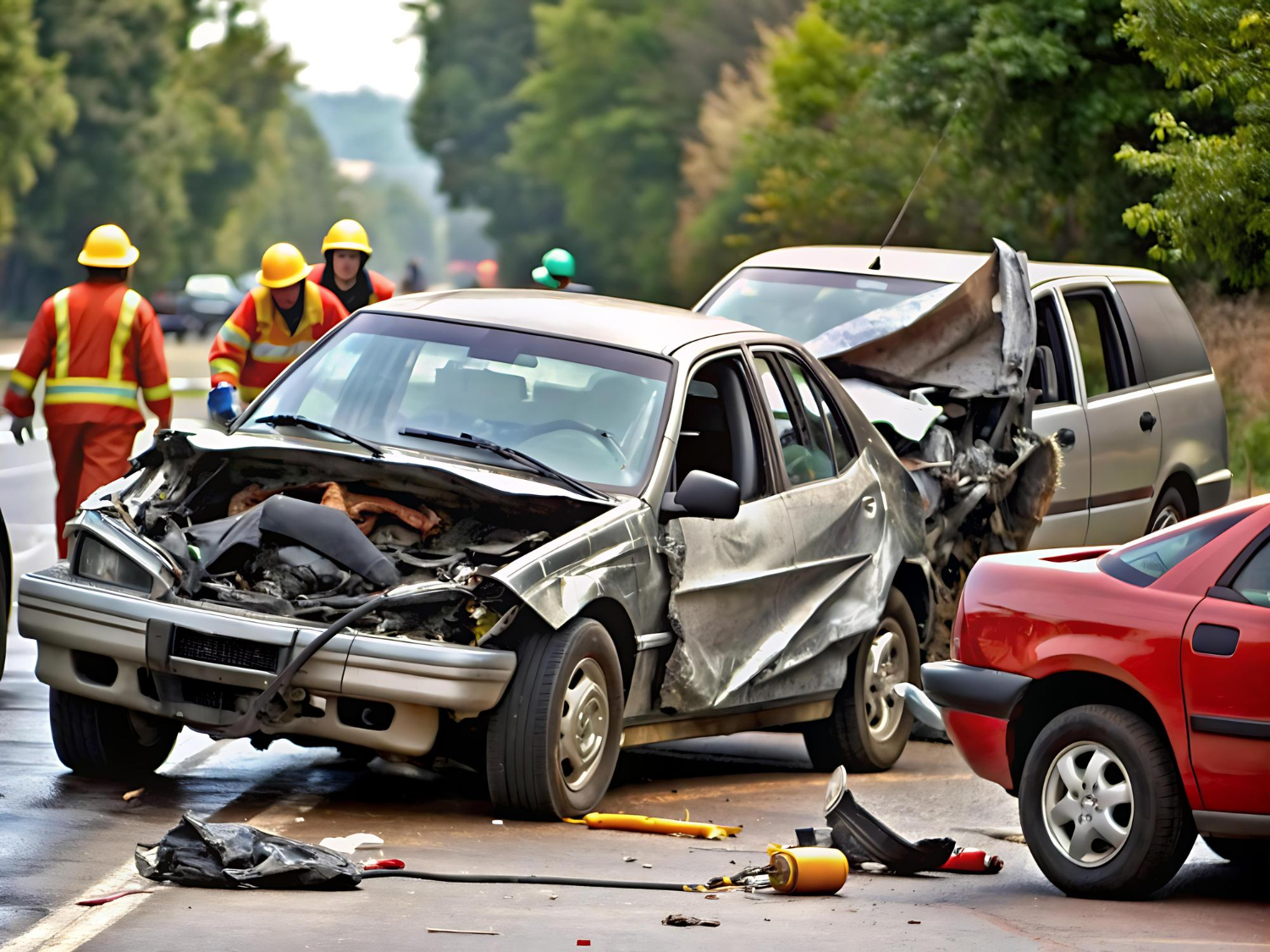
Quick Answer: Knowing what to do after car accident Texas can help protect your safety, preserve important evidence, and avoid problems with an insurance claim. Move to a safe location, call 911 when necessary, exchange information, document the scene, seek medical attention when appropriate, and notify your insurance company promptly.
What Should You Do Immediately After a Car Accident in Texas?
The first priority after a Texas car accident is safety. Check for injuries, move away from immediate danger when possible, and contact emergency services when the circumstances require assistance.
Texas Transportation Code §550.021 requires drivers involved in collisions resulting in injury or death to stop, determine whether anyone needs assistance, and remain at the scene until they meet their legal duties.
Follow these initial steps:
- Check for injuries: Determine whether anyone needs medical attention. Call 911 if someone is injured, may be injured, or needs emergency assistance.
- Move to safety: If vehicles can be moved safely, get out of active traffic. Texas Transportation Code §550.022 specifically requires drivers involved in certain freeway collisions to move safely drivable vehicles to an appropriate nearby location.
- Contact law enforcement: Report the collision when required. Texas Transportation Code §550.026 requires immediate notice when a crash causes injury or death, or damage that makes a vehicle unsafe to drive.
- Remain at the scene: Do not leave before satisfying applicable legal duties.
- Avoid unnecessary confrontation: Keep conversations with other drivers calm and focused on exchanging information.
Texas roadways experienced 14,905 serious injury crashes in 2024, according to the Texas Department of Transportation. Taking appropriate steps after a collision matters, even when the damage initially appears minor.
What Information Should You Collect Using a Car Accident Checklist in Texas?
A thorough car accident checklist in Texas helps preserve details that may become important during an insurance investigation or legal claim. Collect information from every involved driver when it is safe to do so.
In a multi-vehicle collision, do not focus only on the driver immediately behind you. Several vehicles may have contributed to the sequence of impacts.
Gather the following information:
- Driver details: Record each driver’s name, address, and contact information.
- Vehicle information: Photograph license plates, vehicle makes, models, and registration details.
- Insurance information: Photograph each driver’s insurance card and record the insurer and policy information.
- Witness contacts: Ask independent witnesses for their names and phone numbers.
- Photographs: Capture vehicle damage, road conditions, traffic signals, skid marks, debris, and the general scene.
- Crash details: Write down the date, time, location, weather, direction of travel, and what you remember happening.
Texas Transportation Code §550.023 requires drivers to provide specified identifying and insurance information to people involved in qualifying collisions. It also requires reasonable assistance to injured people.
Avoid guessing about what another driver did or making assumptions about fault. Record what you personally observed instead.
If a vehicle has a dash camera, preserve the original footage. Nearby businesses or traffic systems may also have recordings, but some systems overwrite footage quickly.
How Do You File a Car Accident Report in Texas?
A car accident report in Texas creates an official record when law enforcement investigates a qualifying collision. Requesting police assistance and obtaining the resulting report can help document the vehicles, people, and circumstances involved.
Under Texas Transportation Code §550.062, an officer who investigates a collision must prepare a written report when the crash involves injury or death, or apparent property damage of at least $1,000 to any one person’s property. The officer must generally submit that report electronically to TxDOT within 10 days.
Keep these distinctions in mind:
- Immediate notification: Section 550.026 requires drivers to notify the appropriate law enforcement agency when someone is injured or killed, or a vehicle is damaged so it cannot be driven safely.
- Officer reporting: Section 550.062 establishes when an investigating officer must submit a written crash report.
- Report access: People directly involved in a collision or otherwise authorized may request qualifying crash reports under Section 550.065.
- Report number: Record the incident or report number provided by the responding officer.
A police report is useful evidence, but it does not automatically decide civil liability. An officer may document statements and observations without resolving every dispute about negligence.
TxDOT maintains crash information through its Crash Records Information System, commonly called CRIS. Once the report becomes available, review it for errors involving vehicle descriptions, names, insurance details, or the crash location.
How Should You Handle Medical Care and Insurance After a Texas Crash?
After addressing immediate safety concerns, seek appropriate medical attention and notify your insurance company. Some injuries may not be obvious at the scene, so do not rely solely on how you feel immediately after the collision.
Keep organized records from the beginning. These documents can help explain the connection between the crash, medical treatment, vehicle damage, and other losses.
Consider these steps:
- Get medical attention: Follow appropriate medical advice and keep copies of records, bills, and treatment instructions.
- Notify your insurer: Report the collision promptly, even if you believe another driver caused it. Your policy may contain notice requirements.
- Save claim information: Record claim numbers, adjuster names, contact dates, and communications.
- Keep repair documents: Save estimates, invoices, towing receipts, and rental-car expenses.
- Preserve evidence: Keep photographs, witness information, and available video footage.
In a multi-car crash, several insurance companies may investigate overlapping claims. One insurer may reach a different conclusion from another because each evaluates different evidence and policy obligations.
Do not assume an insurer’s initial fault assessment is final. Review written decisions and ask questions if the explanation does not match the available evidence.
The Texas Department of Insurance recommends documenting the scene, collecting driver and witness information, and contacting the insurance company as soon as possible.
What Legal Deadlines and Rights Should You Know After a Texas Car Accident?
Texas law provides deadlines for filing certain claims, and missing an applicable deadline can affect the ability to pursue compensation. The general limitations period for many personal injury and property damage claims is two years under Texas Civil Practice and Remedies Code §16.003, although exceptions may apply.
Texas also follows a proportionate responsibility system under Chapter 33 of the Civil Practice and Remedies Code. This system can affect how much an injured person may recover when multiple parties share responsibility.
Important rules include:
- 51% responsibility threshold: Under §33.001, a claimant generally cannot recover damages if their percentage of responsibility is greater than 50%.
- Reduced recovery: Under §33.012, a claimant’s damages are reduced by their percentage of responsibility.
- Multiple responsible parties: Chapter 33 allows responsibility to be allocated among defendants, settling persons, and responsible third parties when applicable.
- Filing deadlines: Section 16.003 generally establishes a two-year deadline for personal injury and property damage lawsuits.
For example, imagine three vehicles collide after one driver changes lanes unsafely and another follows too closely. Investigators may examine each driver’s actions rather than assigning all responsibility to the first vehicle involved.
Because evidence can disappear and deadlines may apply, reviewing the facts early can help protect a person’s legal options.
Pro Tip: Save original photographs and dash-camera files in more than one secure location. Do not rely only on compressed images sent through messaging apps. Original files may preserve timestamps and details that help establish the sequence of events.
Frequently Asked Questions About What to Do After a Car Accident in Texas
Do I have to call the police after a car accident in Texas?
Texas Transportation Code §550.026 requires immediate notice when a collision causes injury or death, or damage that makes a vehicle unsafe to drive. Calling 911 is also appropriate when emergency assistance is needed.
What should I do after a car accident in Texas if the other driver has no insurance?
Collect the driver’s identifying information and notify your own insurer. Review whether your policy includes uninsured or underinsured motorist coverage, which may apply depending on the circumstances and policy terms.
How long do I have to file a car accident claim in Texas?
Many Texas personal injury and property damage lawsuits have a two-year limitations period under Civil Practice and Remedies Code §16.003. Insurance policies may impose separate notice and claim requirements, so do not wait until the lawsuit deadline to report a crash.
Protect Your Rights After a Texas Car Accident
Knowing what to do after car accident Texas can make a difference when dealing with injuries, vehicle damage, and insurance disputes.
- Prioritize safety: Check for injuries, move away from danger, and contact emergency services when needed.
- Preserve evidence: Collect driver information, photographs, witness contacts, and the police report number.
- Understand your rights: Texas negligence rules and legal deadlines can affect a potential claim.
If you have questions about a collision, contact Gordon Law PLLC at (512) 678-9333 or visit 600 W. 28th Street, Suite #106A, Austin, Texas 78705 to discuss your circumstances with an attorney.
Legal Disclaimer: This article provides general information about Texas law and is not legal advice. It does not create an attorney-client relationship. Every accident involves different facts, and applicable laws, deadlines, and insurance policies may affect available options. Consult a licensed Texas attorney about your specific situation.